The primary aim of the UBC Pulmonary Rehabilitation Research Laboratory is to develop novel, patient-oriented strategies to improve the health outcomes of individuals with chronic lung diseases including COPD.
Our research area focuses on three main research areas:
- Indigenous Lung health. Study 1 estimates the prevalence of chronic obstructive lung disease in First Nations Communities in north-central BC. We also identify specific risks related to respiratory symptoms including indoor air quality and occupation. Study 2 is developing a First Nations pulmonary rehabilitation program , including how telehealth can be used in an effective way. Study 3 aims to develop emergency planning for people with chronic disease living in remote and rural First Nations communities.
- Telerehabilitation. We are conducting feasibility studies of wearable devices that support the delivery of pulmonary rehabilitation services in low access locations.
- Pulmonary Rehabilitation for individuals hospitalized with an acute exacerbation of chronic obstructive pulmonary disease (COPD). This research program aims to investigate the health services delivery issues related to providing pulmonary rehabilitation in the hospital setting for patients with COPD who are admitted with an exacerbation of their disease. Research questions will include: current practice patterns related to inpatient exercise and mobility; barriers and facilitators to initiating these programs, key components of programs, program components [including exercise and education], and use of interdisciplinary teams.
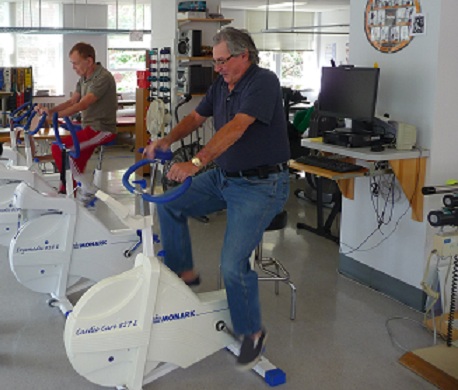
The Pulmonary Rehabilitation Research Laboratory is part of the UBC Centre for Heart Lung Innovation and is located in St. Paul’s Hospital on the fourth floor of the Burrard Building. The lab is equipped with:
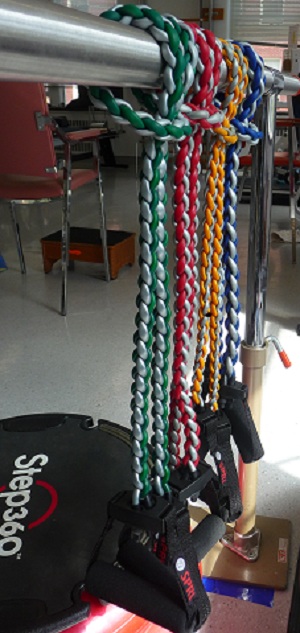
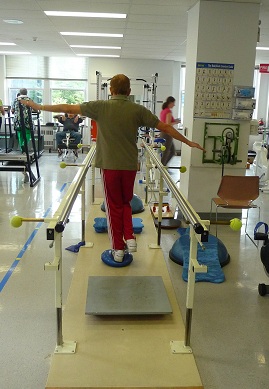
- Fully-equipped exercise gym
- Exercise testing and monitoring equipment
- Lung Function, air quality, physical activity, and telehealth equipment
We also partner with First Nations communities and Carrier Sekani Family Sevices in northern British Columbia.
____________________________________________________________________________________________________________________________________________________
The Pulmonary Rehabilitation Research Laboratory is associated with the St. Paul’s Hospital Pulmonary Rehabilitation Clinic. If you are a patient or physician and would like to obtain a referral for the clinical program, please click on the link below, print off the form, and give to your doctor for signature. You must also have the results of your lung function test. If you have been seen by a lung specialist, the consult letter should be attached to your referral.
Pulmonary Rehabilitation Referral Form